
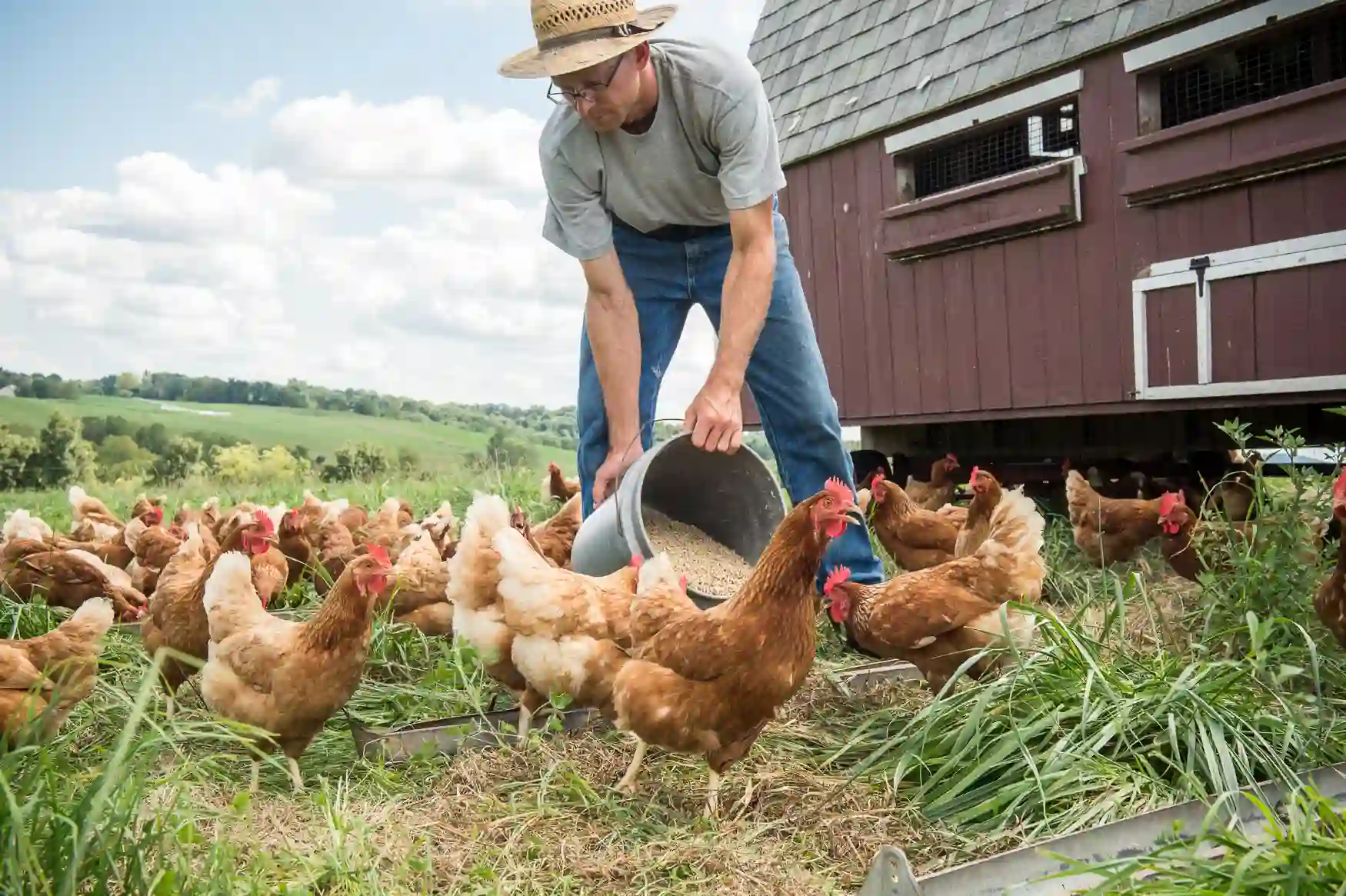
Raising poultry for eggs, meat, or both is one of the oldest agricultural activities practised globally, and it remains a practical and potentially profitable enterprise at many different scales. For those considering entering the sector, whether as a small backyard flock or a more serious commercial operation, understanding the core requirements of animal husbandry, biosecurity, and market access is essential before investing in infrastructure or stock.
Housing and Environment Requirements
Poultry housing needs to provide protection from predators, adequate ventilation without draughts, appropriate temperature management, and enough space for birds to express natural behaviours without stress. Overcrowding is one of the leading causes of health problems and productivity loss in poultry operations at every scale. Understanding and respecting space requirements from the beginning saves significant problems later.
Bedding management affects both bird health and the quality of the housing environment. Regular cleaning and replacement of bedding controls ammonia levels, reduces pathogen loads, and supports the respiratory health of the flock. The standard of housing reflects directly in the productivity and health outcomes of the birds it contains.
Nutrition and Feed Management
Poultry nutrition requirements vary by species, age, and production purpose. Layer birds need different nutritional profiles than broilers, and chicks require starter feeds with higher protein levels than adult birds. Using appropriate feed for each stage reduces production costs by ensuring feed conversion efficiency is maximised rather than wasted on inappropriate formulations.
Access to fresh water at all times is non-negotiable. Water intake drives feed intake, and restricted water access quickly reduces productivity and increases stress. Water quality matters as well, with high mineral content or contamination affecting both consumption and health.
Biosecurity Practices
Disease control through biosecurity is far less costly than treatment after an outbreak. A responsible chicken poultry farm maintains strict protocols around visitor access, introduction of new birds, equipment hygiene, and mortality disposal. New birds should be quarantined before introduction to an existing flock. Understanding the disease risks in your region and the vaccination protocols recommended for them reduces the chance of catastrophic losses.
Market Access and Planning
Understanding your market before you reach production scale prevents the painful situation of having more product than you can sell. Local direct sales, farmers’ markets, restaurant supply, and egg subscription schemes are all viable routes depending on your scale and location. Regulatory requirements for selling animal products vary by jurisdiction and should be researched thoroughly before committing to a production scale that assumes a particular market route.
Financial Planning and Long-Term Sustainability
Successful poultry operations require careful financial planning from the outset, as feed costs, housing setup, veterinary care, and ongoing maintenance can quickly add up. Creating a realistic budget that accounts for both initial startup expenses and recurring operational costs helps prevent underestimating the true investment needed to run a sustainable flock.
Many new operators overlook hidden costs such as equipment replacement, seasonal fluctuations in feed prices, and unexpected veterinary interventions. Long-term sustainability also depends on tracking profitability per bird or per production cycle rather than relying on overall revenue figures alone.