
The global agricultural landscape is rapidly transforming to meet the urgent food demands of a growing population. By shifting from traditional methods to data-driven, technological solutions, farmers can now maximize yields while using fewer resources.
This innovation allows for precise crop monitoring and efficient logistics, creating a resilient food supply chain. Embracing these advancements is essential for building a sustainable future capable of thriving in a changing climate.
Optimizing Logistics With Agriculture Routing Software
Efficient movement of goods is the backbone of a successful farm operation. Implementing sophisticated agriculture routing software allows producers to streamline the transport of harvests from field to storage or market.
By analyzing real-time traffic data, road conditions, and fuel efficiency, this technology minimizes waste and reduces the carbon footprint associated with agricultural distribution. Beyond saving time, such systems allow for better coordination of supply chains.
When fleet movements are optimized, fresh produce reaches its destination faster, ensuring higher quality for the end consumer. Integrating this software into daily operations is a vital step toward a more organized and profitable agricultural enterprise.
Enhancing Crop Potential Using Nanotechnology for Agriculture
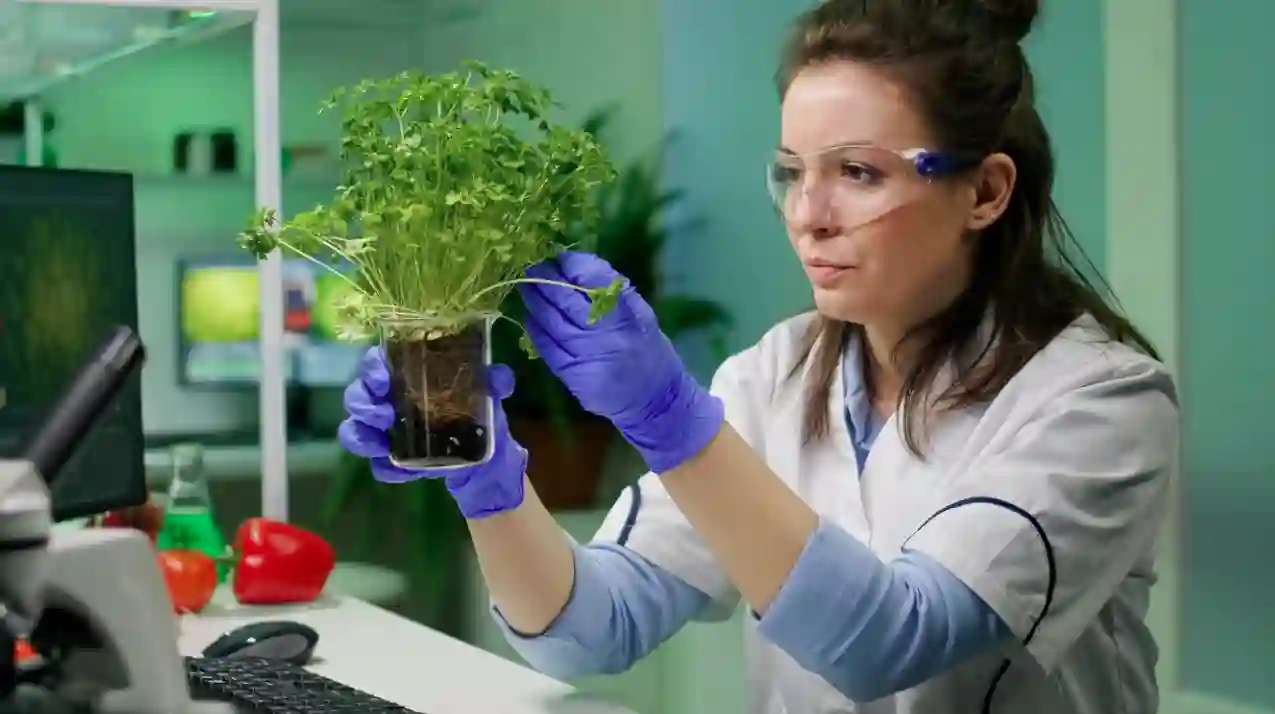
The introduction of nanotechnology for agriculture is paving the way for a new frontier in plant science. At the microscopic level, engineered particles can deliver nutrients or pesticides directly to specific plant tissues, significantly reducing the amount of chemicals required. This targeted approach prevents environmental runoff and protects soil health.
Moreover, these innovations can improve water retention and provide plants with enhanced immunity against diseases. By utilizing these advanced materials, farmers can push the boundaries of productivity, ensuring that every input is used efficiently to bolster growth and resilience.
Integrating Precision Farming Techniques
Precision farming leverages satellite imagery, drones, and GPS technology to monitor field conditions with extreme detail. Instead of treating an entire field as a single unit, farmers can now apply water, fertilizers, and pesticides exactly where they are needed.
This reduction in resource waste lowers costs and minimizes the impact on the local ecosystem. By utilizing soil sensors that provide real-time feedback on nutrient levels and moisture, producers can make informed decisions that optimize yield potential while preserving the longevity of their land.
Automating Labor With Robotics and AI
Automation is changing the face of manual labor in the field. Autonomous tractors and robotic harvesting machines are now capable of performing repetitive tasks with high precision and speed.
These technologies bridge the gap during periods of labor shortages, ensuring that planting and harvesting schedules are strictly maintained.
Combined with artificial intelligence, these machines can identify weeds or pests, allowing for mechanical removal rather than chemical intervention.
This technological leap not only increases efficiency but also makes farming a more attractive and safer career path for the next generation.
Embracing Sustainable Water Management
Water is a precious, finite resource that requires careful management in any modern farming operation. Advanced irrigation systems, such as subsurface drip irrigation, deliver water directly to the root zone, preventing evaporation and reducing water consumption by a significant margin.
Coupled with climate-prediction software, farmers can anticipate weather patterns and adjust their water usage accordingly.
This proactive approach ensures that crops are nourished adequately during droughts while avoiding waterlogging during heavy rainfall, fostering a more sustainable and balanced agricultural environment.