
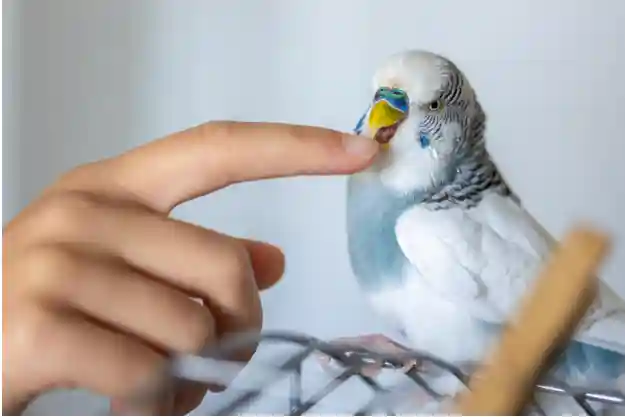
Caring for your bird is a rewarding experience, but it comes with its own set of challenges. One important aspect is administering their medications safely. While it may sound easier, actually doing it is way more complicated, as birds are not receptive to these things.
Any mistake in this area can have serious health complications for your birds. Today, we’ll discuss how medication is typically delivered and the best practices you can follow in this regard.
The Challenges You Can Face
Birds are of a small size. They’re also sensitive to weather changes and other harsh environmental factors. For them, extraordinary dosage accuracy is required, and even minor mistakes can have serious effects. Similarly, certain drugs can only be delivered with good or water (which further complicates the delivery).
This is different from large animals, where certain variations in the dosage are fine. An avian veterinarian can help you with all those complications. They also use precise measuring tools, such as droppers or syringes, to administer the dose.
Antibiotic for Turkeys Drinking Water
The flock-wide infections are common in birds. And they’re treated by administering antibiotic for turkeys drinking water. This method is highly effective if the birds are suffering from respiratory or stomach diseases.
The oxytetracycline, penicillin, or amoxicillin are common water-soluble antibiotics. After checking the bird’s health and overall weather, a veterinarian can finalize the exact dosage and concentration. Similarly, the flock’s total body weight is also taken into consideration.
You need to first empty the water lines or troughs. Then make a stock solution and stir it into the water until completely dissolved. It’s important to mention here that Turkeys must not have access to other water sources while they undergo this treatment.
Incorporating Medicine into Food
If you feel the birds are resisting medication via liquids, you can also incorporate it into food. Soft food easily blends with liquids. You can also use mashed fruit to mask the flavors, as the birds can identify the unique smell of the medication.
Here, it’s important that the entire portion of food should be consumed by the bird so the disease gets treated quickly. You can also monitor your bird’s eating habits to see if there is any intake deficiency.
Monitor the Side Effects As Well
Administering medicine is one thing, and you cannot just stop there. You also need to monitor the birds regularly to spot any negative reactions. Some birds may show lethargy or a change in appetite. They may also develop unusual skin allergies that you can easily notice.
In that case, it’s important to contact your vet immediately. They’ll do timely intervention and guide you on all the important steps. You should also avoid force-feeding as it could do more harm than good.
Bottom Lines
Understand that medication is just one piece of the puzzle. To actually make the birds feel well, you need to provide a healthy environment where they don’t contract the disease in the first place. Also, give them a healthy diet and analyze their eating patterns. This is the only way to get long-term benefits for your birds.