
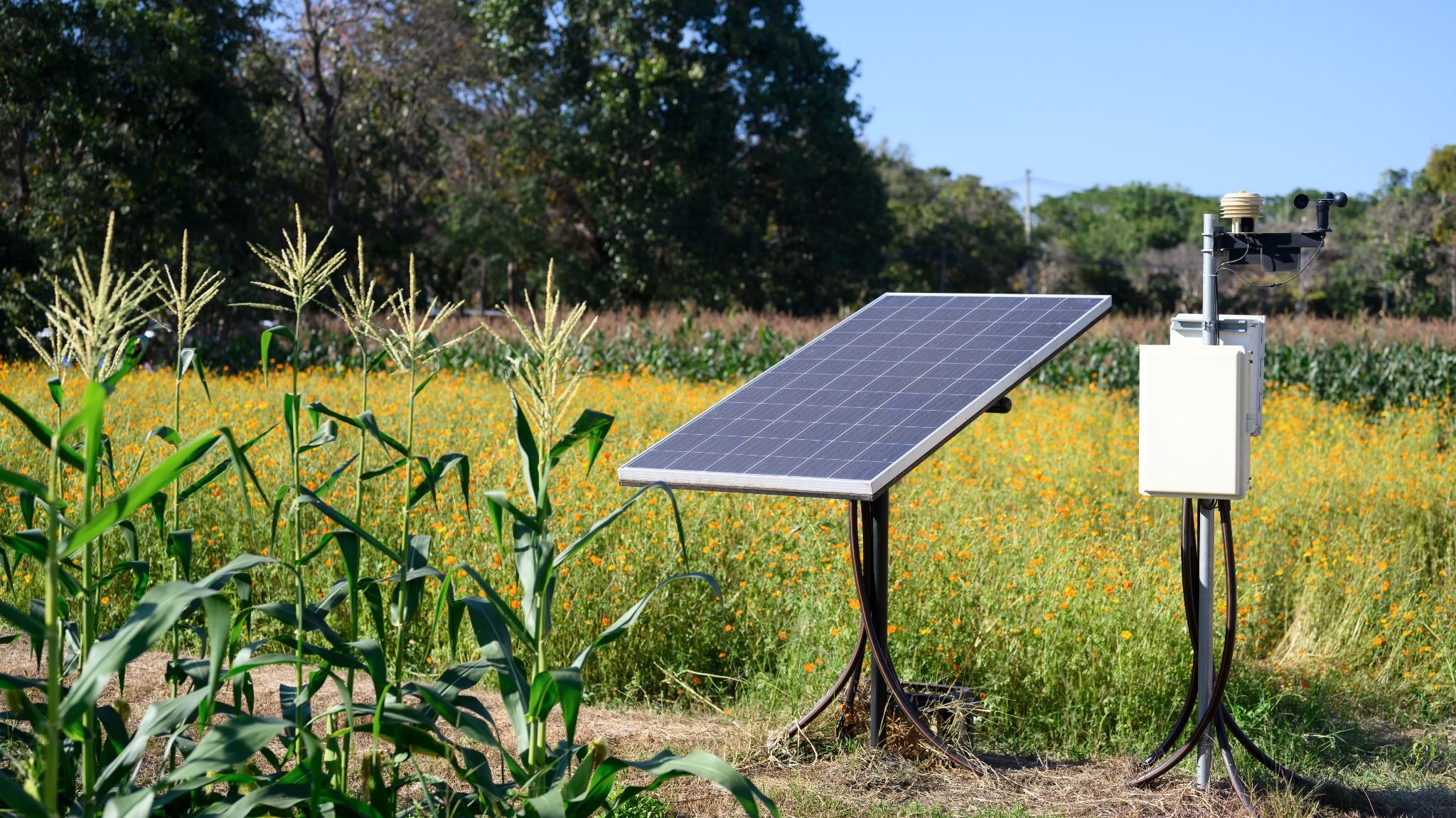
Irrigation plays a vital role in agriculture, ensuring crops receive the water they need to thrive. As concerns about sustainability and resource management grow, farmers are turning to innovative solutions. Solar water pumps have emerged as an effective way to irrigate fields while harnessing renewable energy. By using the sun’s power, these pumps provide a sustainable alternative to traditional water sources, reducing costs and environmental impact. In this article, we will explore how solar water pumps work, their benefits, and why they are becoming an essential tool for modern farming.
What is a Solar Water Pump?
A solar water pump is a device that uses solar energy to move water from one place to another for agricultural irrigation. These pumps consist of several key components, including solar panels, a pump, and sometimes a storage tank. There are primarily two types of solar water pumps used in agriculture: submersible pumps, which are placed underwater, and surface pumps, which pull water from above the surface.
Compared to traditional water pumps powered by diesel or electricity from the grid, solar water pumps are more environmentally friendly, cost-effective, and sustainable. They are particularly useful in remote areas where access to electricity is limited or unreliable.
How Solar Water Pumps Work
Solar Panels and Energy Conversion
The core of a solar water pump system is its solar panels. These panels capture sunlight and convert it into electricity using photovoltaic cells. When sunlight hits the solar panels, it generates direct current (DC) electricity. This electricity powers the pump, enabling it to move water from a source to the desired location.
The amount of energy generated depends on several factors, including the size and efficiency of the solar panels and the amount of sunlight available. In sunny regions, solar panels can generate enough electricity to power the pump throughout the day, making them a reliable choice for irrigation.
Pump Operation
Once the solar panels generate electricity, this energy powers the pump. The pump’s design determines how effectively it can move water. Submersible pumps are placed underwater and push water to the surface, while surface pumps draw water from above the ground.
Solar water pumps are designed to operate efficiently, ensuring that water is delivered to the fields without excessive energy use. This efficiency is crucial for maximizing the benefits of solar irrigation, especially in larger agricultural setups where water needs can be significant.
Water Source and Delivery
Solar water pumps can be connected to various water sources, including wells, rivers, or ponds. The water is drawn from these sources and delivered to the fields through a network of pipes or hoses. Depending on the layout of the farm, farmers can customize the delivery system to ensure that every crop receives the right amount of water.
Innovative delivery methods, such as drip irrigation systems, can be integrated with solar pumps to enhance water efficiency. This combination allows for precise watering, reducing waste and ensuring that plants receive adequate hydration.
Benefits of Using Solar Water Pumps
Cost Savings
One of the most significant advantages of solar water pumps is the cost savings they provide. After the initial investment in solar panels and equipment, the ongoing operational costs are minimal. Unlike diesel or electricity, which have fluctuating prices, sunlight is free. This means farmers can significantly reduce their energy costs over time, leading to substantial long-term savings.
In many cases, the return on investment for solar water pumps is attractive, especially when considering the rising costs of traditional irrigation methods. As solar technology becomes more affordable, the financial benefits of using solar water pumps will continue to improve.
Environmental Impact
Solar water pumps have a positive impact on the environment. By using renewable energy, they contribute to reducing carbon emissions associated with traditional irrigation methods. This shift helps combat climate change and promotes sustainable farming practices.
Additionally, solar irrigation systems often promote better water conservation. By using technologies like drip irrigation, farmers can apply water more efficiently, minimizing waste and runoff. This conservation is crucial, especially in regions facing water scarcity, as it helps preserve this vital resource.
Reliability and Independence
Energy independence is another compelling reason to consider solar water pumps. Farmers who rely on grid electricity or diesel pumps are vulnerable to price fluctuations and supply outages. With solar water pumps, farmers can produce their own energy, ensuring a consistent and reliable water supply for their crops.
This independence can lead to more consistent crop yields, as farmers are not at the mercy of external energy sources. The ability to irrigate fields regardless of energy prices gives farmers a sense of security and control over their operations.
Challenges and Considerations
Initial Setup Costs
While solar water pumps offer numerous benefits, the initial setup costs can be a barrier for some farmers. The investment required for solar panels, pumps, and installation can be significant. However, it’s essential to view this as a long-term investment rather than an immediate expense.
Many governments and organizations provide financial incentives or grants to support farmers who adopt renewable energy solutions. Exploring these options can help offset the initial costs and make solar water pumps more accessible.
Maintenance Requirements
Like any system, solar water pumps require regular maintenance to operate effectively. This includes keeping solar panels clean and free of debris, checking for leaks in the irrigation system, and ensuring the pump is functioning correctly. Proper installation and frequent monitoring are essential to avoid costly repairs and ensure the system operates efficiently.
Farmers should also consider investing in training to understand the maintenance requirements of their solar water pumps. This knowledge can help prevent breakdowns and ensure that the system continues to provide reliable irrigation.
Weather Dependency
Solar water pumps depend on sunlight to function. This means that in regions with inconsistent weather patterns or prolonged cloudy periods, the efficiency of solar power generation may be impacted. Farmers in such areas need to plan accordingly, possibly considering backup power solutions or alternative watering methods during less sunny periods.
To address these challenges, farmers can implement strategies such as choosing solar panels with higher efficiency ratings or using battery storage systems. These innovations can help mitigate the effects of weather variability and ensure a steady water supply.
Real-World Applications and Case Studies
Around the globe, farmers have successfully adopted solar water pumps to enhance their irrigation practices. For instance, in India, many farmers have transitioned from diesel-powered pumps to solar water pumps. They have seen significant improvements in crop yields and reductions in water usage. Testimonials from these farmers highlight the benefits of solar technology, including financial savings and increased reliability.
In California, solar water pumps have been utilized in vineyards, allowing farmers to efficiently manage water resources. The integration of solar-powered systems has led to better sustainability and lower operational costs. These real-world applications demonstrate the effectiveness of solar water pumps in various agricultural settings.
The Future of Solar Water Pumps in Agriculture
Looking ahead, the future of solar water pumps in agriculture appears promising. As technology continues to advance, we can expect more efficient solar panels and pumps that enhance the effectiveness of solar irrigation. Innovations in battery storage and automation will further improve the reliability and convenience of these systems.
Predictions indicate that more farmers will adopt solar water pumps as they seek sustainable solutions to meet their water needs. The growing awareness of climate change and resource management will drive the adoption of these technologies, making solar water pumps a vital component of modern agriculture.
Conclusion
Solar water pumps are transforming the way farmers irrigate their crops. By harnessing the power of the sun, these systems provide a sustainable, cost-effective, and reliable method of watering fields. The benefits of solar water pumps, from reduced energy costs to environmental impact, make them an attractive option for farmers seeking to enhance their irrigation practices. As technology advances and more success stories emerge, solar water pumps will play an increasingly important role in the future of agriculture. Farmers are encouraged to explore this innovative solution and consider how it can benefit their operations.
FAQs
1. What is a solar water pump?
A solar water pump is a device that uses solar energy to move water for irrigation. It consists of solar panels, a pump, and a delivery system that irrigates crops efficiently and sustainably.
2. How do solar water pumps work?
Solar water pumps work by converting sunlight into electricity through solar panels. This electricity powers the pump, which draws water from a source and delivers it to fields for irrigation.
3. What are the benefits of using solar water pumps?
Solar water pumps offer cost savings, reduced environmental impact, and energy independence. They help farmers manage water resources more efficiently while minimizing carbon emissions associated with traditional irrigation methods.
4. What challenges do solar water pumps face?
Challenges include initial setup costs, maintenance requirements, and weather dependency. Farmers need to consider these factors when adopting solar water pumps for their irrigation systems.
5. Are there financial incentives for installing solar water pumps?
Yes, many governments and organizations offer financial incentives and grants to support farmers in adopting solar water pumps. These programs can help offset initial costs and encourage sustainable practices.