
Choosing the right fencing for your land is very important for safety, security, and proper management of livestock or crops. Good fencing not only protects your property but also helps you organize your land in a better way. However, selecting the best agricultural fencing supplies can feel confusing because there are many options available in the market. With the right knowledge, you can make a smart and long-lasting choice that suits your land needs.
Understanding Your Land Requirements
Before buying any fencing materials, it is important to understand your land type and purpose. Different farms and fields have different needs. For example, if you keep animals, you need stronger fencing to control movement. If you grow crops, your focus may be more on keeping wildlife out.
The size of your land also matters. Larger areas may need more durable and cost-effective solutions, while smaller spaces may allow for more detailed fencing. When you clearly understand your needs, it becomes easier to choose the right agricultural fencing supplies without wasting money on unnecessary materials.
Choosing the Right Material for Fencing
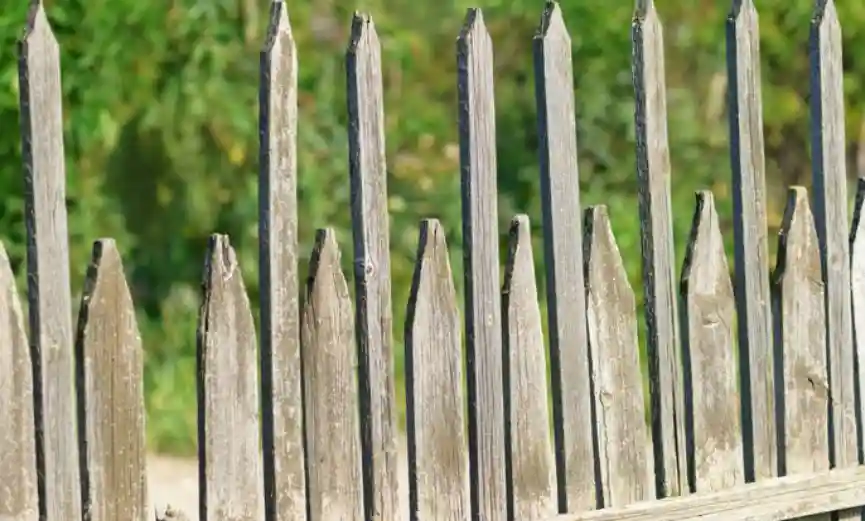
Fencing materials come in different types such as wire, wood, steel, and plastic-coated options. Each material has its own advantages. Wire fencing is commonly used because it is affordable and easy to install. Wooden fencing gives a natural look but may require more maintenance over time. Steel fencing is very strong and long-lasting, making it suitable for high-security needs.
When selecting agricultural fencing supplies, always consider durability and weather resistance. Your fencing will face sun, rain, wind, and sometimes animals trying to break through. So, choosing a material that can handle these conditions is very important for long-term use.
Checking Strength and Quality Standards
Not all fencing products are made with the same quality. Some may look good at first but become weak after a short time. That is why checking strength and quality standards is necessary. High-quality fencing should be rust-resistant, strong under pressure, and able to maintain its shape for years.
When buying agricultural fencing supplies, look for trusted brands or suppliers who clearly mention product specifications. Good suppliers usually provide details about wire thickness, coating quality, and expected lifespan. These details help you make a better decision and avoid low-quality products.
Considering Installation and Maintenance
Easy installation is another important factor when choosing fencing materials. Some fencing types require professional installation, while others can be set up with basic tools. If you want to save time and labor cost, you should choose fencing that is simple to install.
Maintenance is also important. Some fencing materials need regular painting or repair, while others require very little care. When selecting agricultural fencing supplies, always think about how much time and effort you can give in the future for maintenance. Low-maintenance options are often more practical for busy farmers.
Budget and Long-Term Value
While price is always an important factor, it should not be the only consideration. Cheap fencing may save money initially but can lead to higher replacement costs later. It is better to invest in slightly higher-quality materials that last longer and provide better protection.
Good agricultural fencing supplies should offer a balance between cost and durability. Think of fencing as a long-term investment for your land rather than a short-term expense. This approach helps you save money over time and ensures better security for your property.
Conclusion
Selecting high-quality fencing for your land requires careful thinking about your needs, material quality, strength, installation, and budget. By understanding these factors, you can choose the most suitable agricultural fencing supplies that provide safety, durability, and long-term value. A well-planned fencing system not only protects your land but also improves its overall management and productivity.