
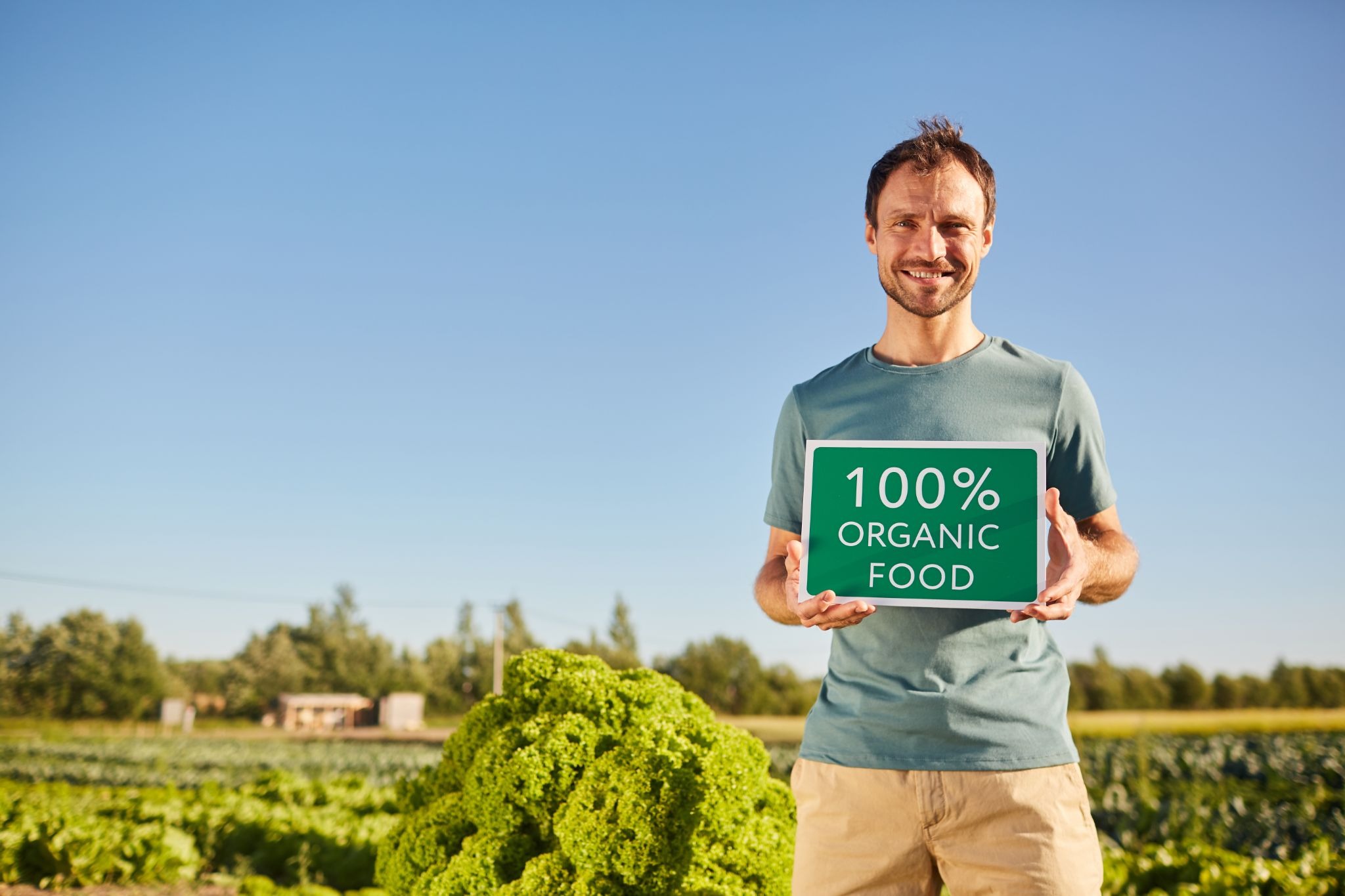
Organic certification is essential for farmers and producers who wish to market their products as organic. This process ensures that products meet specific standards set by regulatory bodies. The United States Department of Agriculture (USDA) outlines strict guidelines for organic certification within the U.S., while international standards vary by country. Understanding these requirements is crucial for anyone looking to enter the organic market. This guide explores both USDA and international organic certification requirements, providing clarity on what it takes to achieve certification.
Understanding Organic Certification
Organic certification is a process that verifies that a farm or processing facility adheres to defined organic standards. These standards cover various aspects of agricultural production, including soil health, pest control, and biodiversity. The certification process typically involves rigorous inspections and documentation to ensure compliance with organic practices.
In the United States, the USDA oversees the National Organic Program (NOP), which regulates organic certification. This program establishes the rules and regulations for organic farming and handling practices. In contrast, international organic certification may be governed by different organizations and standards, such as the European Union’s organic regulations or the International Federation of Organic Agriculture Movements (IFOAM).
Organic certification not only helps producers gain access to premium markets but also assures consumers of the integrity of the products they purchase. As consumer demand for organic products continues to grow, understanding the certification process becomes increasingly important for farmers and producers.
USDA Organic Certification Requirements
The USDA has established several key requirements for organic certification. These requirements are designed to ensure that organic products are produced in a way that promotes environmental health and sustainability.
1. Organic System Plan (OSP)
One of the first steps in obtaining organic certification is developing an Organic System Plan (OSP). This plan outlines the practices and procedures a farmer or handler will use to comply with organic standards. The OSP must cover various aspects of the operation, including soil management, crop rotation, pest control, and record-keeping.
Farmers must detail how they will maintain soil health, manage weeds and pests, and prevent contamination from non-organic sources. The OSP serves as a roadmap for the organic operation and is a crucial component of the certification process.
2. Compliance with Organic Standards
To achieve organic certification, producers must comply with the USDA’s organic standards. These standards include the following key points:
Use of Approved Inputs: Organic farmers can only use inputs that are allowed under the USDA’s National List of Allowed and Prohibited Substances. This list includes organic fertilizers, pest control products, and other materials deemed suitable for organic production.
Soil Fertility Management: Organic farming practices emphasize building and maintaining soil fertility through natural processes. This includes using cover crops, compost, and crop rotation to enhance soil health.
Pest and Disease Management: Organic certification requires producers to manage pests and diseases using natural methods. This may involve using beneficial insects, traps, and organic-approved pesticides, while avoiding synthetic chemicals.
Biodiversity: Organic farming encourages biodiversity by promoting a variety of crops and maintaining natural habitats. This approach helps support beneficial organisms and reduces reliance on chemical inputs.
3. Record Keeping
Accurate record-keeping is essential for organic certification. Farmers must maintain detailed records of their practices, inputs, and harvests. These records should include information on seed sources, soil amendments, pest management strategies, and sales. Proper documentation helps demonstrate compliance with organic standards and is crucial during inspections.
Farmers should also keep records of any non-organic inputs used and how they prevent contamination of organic crops. These records are vital for maintaining transparency and accountability within the organic certification process.
4. Annual Inspections
Once a farmer has submitted their OSP and has begun implementing organic practices, they must undergo annual inspections by a USDA-accredited certifying agent. During these inspections, the certifying agent will review the OSP, examine records, and evaluate compliance with organic standards.
The inspector will assess various aspects of the operation, including soil health, pest management, and overall compliance with USDA regulations. If the inspector finds any non-compliance issues, the producer may need to address these before receiving certification.
5. Transition Period
For farmers transitioning from conventional to organic practices, a transition period of three years is typically required. During this time, farmers must follow organic practices but cannot market their products as organic until the transition period is complete. This requirement ensures that the soil and crops are free from prohibited substances before being certified as organic.
Farmers can improve their chances of a successful transition by educating themselves about organic practices and seeking guidance from experienced organic farmers or certifying organizations.
International Organic Certification Requirements
While the USDA provides a framework for organic certification in the United States, various international standards govern organic practices worldwide. These standards may differ significantly from the USDA’s requirements.
1. European Union Organic Certification
The European Union (EU) has its own organic certification regulations that are distinct from USDA standards. The EU’s organic regulations cover various aspects of production, including crop and livestock management, processing, and labeling.
To be certified organic in the EU, producers must adhere to the following key requirements:
Compliance with EU Regulations: Producers must follow the EU’s organic farming regulations, which include guidelines on soil management, pest control, and animal welfare.
Certification by an Accredited Body: Producers must be certified by a recognized certification body that is accredited by the EU. This body will conduct inspections and verify compliance with EU standards.
Traceability: EU regulations require producers to maintain traceability throughout the supply chain. This means that producers must be able to track their products from farm to table, ensuring that they meet organic standards at every stage.
2. IFOAM Standards
The International Federation of Organic Agriculture Movements (IFOAM) is a global organization that promotes organic farming principles and practices. IFOAM provides guidelines for organic certification that can be used by countries around the world.
IFOAM’s standards emphasize the following key elements:
Holistic Approach: IFOAM promotes a holistic approach to organic farming that considers environmental, social, and economic factors. This approach encourages practices that are sustainable and equitable.
Participatory Guarantee Systems (PGS): IFOAM supports the use of PGS, which are locally focused certification systems that rely on the community’s participation. PGS allows small farmers to certify their products collaboratively, fostering trust and transparency.
Adaptability: IFOAM’s standards are designed to be adaptable to different regions and contexts. This flexibility allows countries to tailor their organic certification processes to local conditions and needs.
3. Other International Standards
Numerous countries have established their own organic certification standards, which may align with or differ from USDA and EU regulations. Some notable examples include:
Canada: Canada has its own organic certification program regulated by the Canadian Food Inspection Agency (CFIA). Canadian organic standards are similar to USDA regulations but have some unique requirements.
Japan: Japan’s organic certification system, known as JAS (Japanese Agricultural Standards), outlines specific requirements for organic production and processing. JAS certification is essential for marketing organic products in Japan.
Australia: Australia’s organic certification standards are governed by the National Standard for Organic and Bio-Dynamic Produce. This standard covers various aspects of organic farming and processing, ensuring that products meet national and international expectations.
Benefits of Organic Certification
Achieving organic certification has numerous benefits for farmers, consumers, and the environment. Understanding these benefits can help motivate producers to pursue certification.
1. Access to Premium Markets
Organic products often command higher prices in the marketplace. By obtaining organic certification, farmers can access premium markets and increase their profitability. Consumers are willing to pay more for organic products due to the perceived health benefits and environmental sustainability.
2. Consumer Trust and Transparency
Organic certification builds consumer trust by assuring that products meet specific standards. Certified organic products are labeled, allowing consumers to make informed choices. This transparency fosters confidence in the integrity of organic farming practices.
3. Environmental Sustainability
Organic farming practices promote environmental sustainability by reducing the reliance on synthetic chemicals and enhancing biodiversity. By adopting organic practices, farmers can contribute to healthier ecosystems and mitigate the impact of agriculture on the environment.
4. Improved Soil Health
Organic certification requires farmers to implement practices that improve soil health and fertility. Healthy soil is crucial for sustaining agricultural production and ensuring long-term viability. Organic practices, such as composting and crop rotation, enhance soil structure and nutrient availability.
5. Community Support
Organic certification fosters a sense of community and connection among farmers, consumers, and local markets. Many organic farms participate in community-supported agriculture (CSA) programs and farmers’ markets, creating direct relationships between producers and consumers. This connection enhances food security and supports local economies.
Challenges of Organic Certification
While organic certification offers many benefits, it can also present challenges for farmers and producers. Understanding these challenges is essential for navigating the certification process effectively.
Initial Investment Costs
The costs associated with transitioning to organic practices and obtaining certification can be significant. Farmers may need to invest in new equipment, organic inputs, and training. These initial costs can be a barrier for some producers, particularly small-scale farmers.
Knowledge and Education
Farmers transitioning to organic production must educate themselves about organic practices and regulations. This knowledge is essential for developing an effective Organic System Plan and ensuring compliance with certification requirements. Seeking guidance from experienced organic farmers or certifying organizations can be beneficial.
Record Keeping
Maintaining accurate records is crucial for organic certification, but it can be time-consuming and complex. Farmers must develop systems for tracking inputs, practices, and harvests. Proper record-keeping is essential for demonstrating compliance during inspections.
Market Competition
As demand for organic products grows, competition among organic farmers can become intense. Producers must differentiate their products and develop effective marketing strategies to succeed in the organic market. Building a strong brand and loyal customer base is essential for long-term success.
The Future of Organic Certification
The future of organic certification looks promising as consumer demand for organic products continues to rise. More farmers are recognizing the benefits of organic practices and seeking certification to meet market demands.
Innovations in Organic Practices
Advancements in technology and research are contributing to the development of innovative organic practices. Precision agriculture, organic breeding techniques, and sustainable pest management strategies are just a few examples of how the organic sector is evolving. These innovations can enhance productivity and sustainability in organic farming.
Expanding Global Market
The global market for organic products is expanding rapidly. As more consumers seek sustainable food options, the demand for organic certification will continue to grow. This trend presents opportunities for farmers and producers worldwide to enter the organic market and compete effectively.
Collaboration and Support
Collaboration among farmers, researchers, and policymakers will play a crucial role in the future of organic certification. By working together, stakeholders can address challenges, share knowledge, and promote best practices within the organic sector. This collaboration will help strengthen the integrity and credibility of organic certification.
Conclusion
Organic certification is a vital process that ensures agricultural products meet specific standards for sustainability and health. The requirements set by the USDA and international bodies provide a framework for farmers and producers to follow. By understanding these requirements, producers can navigate the certification process effectively and gain access to premium markets.
The benefits of organic certification extend beyond financial gain; they contribute to environmental sustainability, consumer trust, and community support. While challenges exist, the future of organic certification looks bright as demand for organic products continues to rise. By adopting organic practices and pursuing certification, farmers can play a significant role in shaping a healthier and more sustainable food system.
FAQs
1. What is organic certification?
Organic certification is a process that verifies that agricultural products meet specific organic standards set by regulatory bodies. It ensures that products are produced without synthetic pesticides and fertilizers, promoting sustainability.
2. How can I become USDA certified organic?
To become USDA certified organic, farmers must submit an Organic System Plan, comply with organic standards, maintain accurate records, and undergo annual inspections by a USDA-accredited certifying agent.
3. What are the benefits of organic certification?
Organic certification offers numerous benefits, including access to premium markets, consumer trust, environmental sustainability, improved soil health, and community support through local markets and initiatives.