
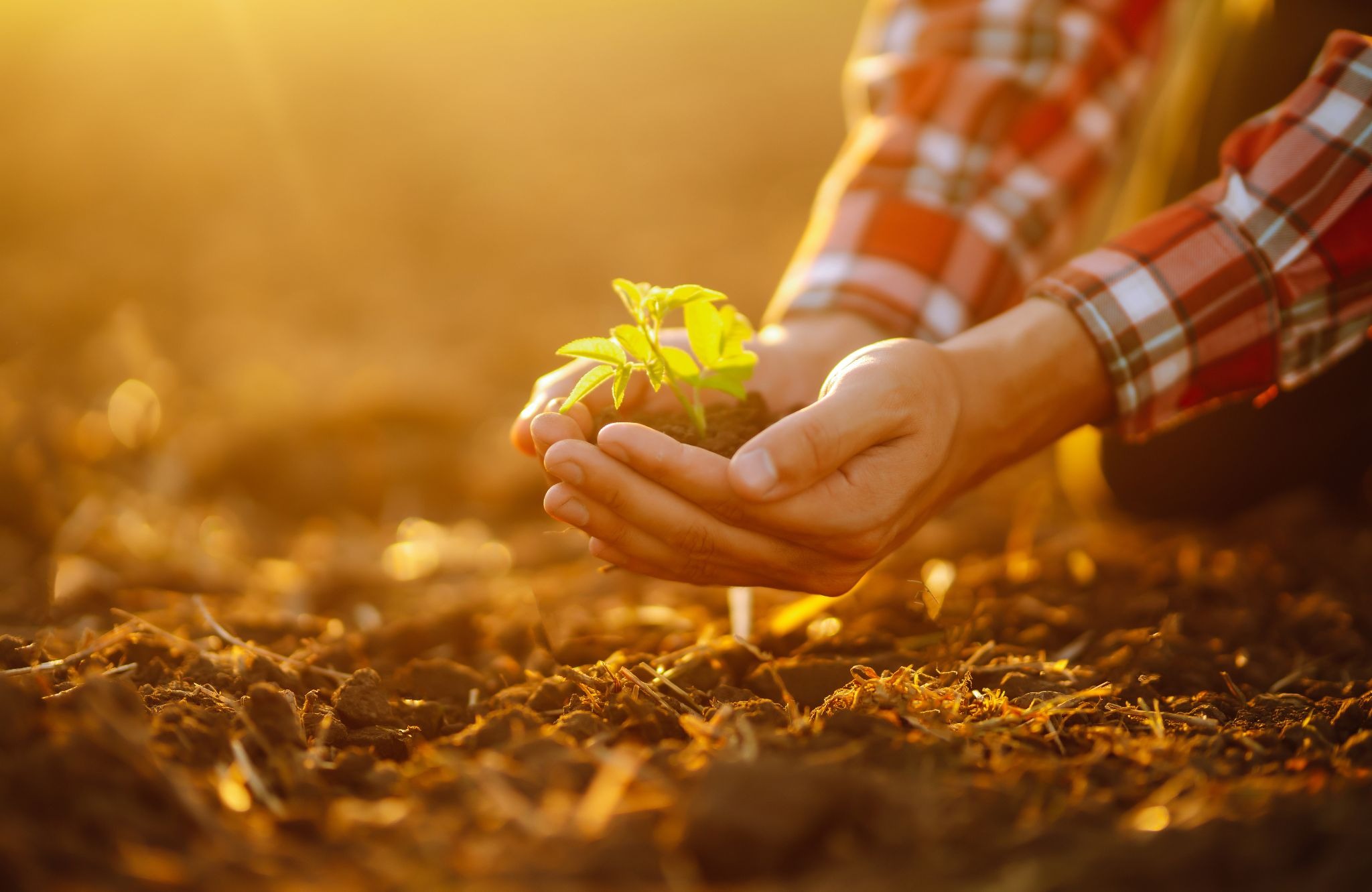
Sustainable agriculture is no longer a side conversation. It sits at the center of how food systems are being reshaped. Farmers, policymakers, and agribusiness leaders are all trying to find a balance between productivity and long-term stability. The idea sounds simple, but the execution is not. It requires careful alignment of multiple priorities that often compete with each other. This is where sustainable development becomes the guiding framework. It brings structure to decisions that affect land, people, and profits. Instead of focusing on short-term gains, it pushes agriculture toward a model that can last across generations.
Understanding the Foundation of Sustainable Agriculture
Before breaking down the pillars, it helps to understand what makes agriculture sustainable in practice. It is not just about reducing harm. It is about maintaining productivity while protecting resources and supporting communities. Many systems claim to be efficient, but efficiency alone does not guarantee long-term success. Sustainable development focuses on balance. It ensures that improvements in one area do not create problems in another. This mindset changes how farms are managed. It encourages decisions that consider both present outcomes and future impact.
The Three Pillars at a Glance
The concept of three pillars provides a simple structure for a complex system. These pillars are environmental responsibility, economic viability, and social equity. Each one plays a distinct role, but none of them can stand alone. If one pillar is ignored, the entire system becomes unstable. Sustainable development works only when all three pillars are aligned. This alignment is not always easy, but it is necessary for long-term agricultural success.
Environmental Responsibility as the First Pillar
The environmental pillar focuses on how farming interacts with natural systems. Agriculture depends on soil, water, and climate. If these resources are damaged, productivity will decline over time. Sustainable development emphasizes protecting these resources while still producing food. This includes reducing chemical use, conserving water, and maintaining soil health. Farmers who adopt these practices often see more stable yields in the long run. The goal is not just to produce more, but to produce in a way that keeps the land productive.
Managing Soil Health and Biodiversity
Soil is the foundation of agriculture. Healthy soil supports plant growth, retains water, and stores nutrients. When soil quality declines, everything else is affected. Sustainable development encourages practices like crop rotation, organic amendments, and reduced tillage. These methods improve soil structure and fertility. Biodiversity is also important. A diverse ecosystem helps control pests naturally and supports resilience. Farms that protect biodiversity tend to face fewer disruptions.
Water Use and Resource Efficiency
Water is another critical resource. Overuse or poor management can lead to long-term shortages. Sustainable development promotes efficient irrigation systems and careful planning. Farmers are encouraged to match water use with crop needs. This reduces waste and protects local water supplies. Efficient resource use also lowers costs. This creates a direct link between environmental care and financial benefit.
Economic Viability as the Second Pillar
Farming must be financially sustainable. Without profit, even the most environmentally friendly system cannot survive. Economic viability focuses on ensuring that farms remain productive and competitive. Sustainable development supports business models that balance cost and revenue. This includes improving efficiency, accessing better markets, and managing risks. Farmers need a stable income to continue investing in their operations.
Cost Management and Productivity Balance
Costs in agriculture can fluctuate. Inputs like seeds, fertilizers, and labor can become expensive. Sustainable development encourages strategies that reduce dependency on costly inputs. This might include using natural fertilizers or improving soil health to reduce chemical use. Productivity must also remain strong. Lower costs alone are not enough. The balance between cost and output determines profitability.
Market Access and Value Creation
Access to markets plays a major role in financial success. Farmers who can reach better markets often earn higher returns. Sustainable development supports systems that connect producers directly with buyers. This reduces reliance on intermediaries and improves margins. Value addition is another factor. Processing or branding products can increase income. These strategies help farms remain competitive.
Social Equity as the Third Pillar
The social pillar focuses on people. Agriculture is not just about land and production. It involves workers, families, and communities. Sustainable development ensures that these groups are treated fairly and have access to opportunities. This includes fair wages, safe working conditions, and community support. A system that ignores social factors cannot be truly sustainable.
Labor Conditions and Community Impact
Farm labor is often overlooked in discussions about sustainability. Workers play a key role in agricultural success. Sustainable development promotes fair treatment and safe environments. Communities also benefit when farms operate responsibly. Strong local economies depend on stable agricultural systems. When farms support their communities, they create long-term stability.
Knowledge Sharing and Skill Development
Education and training are important for sustainable agriculture. Farmers need access to knowledge about new practices and technologies. Sustainable development encourages learning and collaboration. Sharing knowledge helps improve efficiency and reduce mistakes. Skilled workers also contribute to better outcomes. This creates a cycle of improvement that benefits the entire system.
Interconnection Between the Three Pillars
The three pillars are closely linked. Environmental practices can reduce costs, which supports economic viability. Fair labor practices can improve productivity, which strengthens financial performance. Sustainable development works because these connections create balance. Ignoring one pillar can weaken the others. For example, focusing only on profit may harm the environment. Over time, this reduces productivity and increases costs.
Practical Challenges in Applying the Pillars
Applying these principles is not always straightforward. Farmers face real constraints such as limited resources and market pressures. Sustainable development requires careful planning and gradual changes. Sudden shifts can create risks. It is important to adapt practices based on local conditions. What works in one region may not work in another. Flexibility is key to successful implementation.
Measuring Success in Sustainable Agriculture
Success cannot be measured by yield alone. It requires a broader view. Environmental health, financial stability, and social impact all need to be considered. Sustainable development uses multiple indicators to track progress. This helps farmers understand where improvements are needed. Over time, this leads to better decision-making.
Long-Term Perspective and Strategic Thinking
Sustainability is about the future. Short-term gains should not come at the cost of long-term stability. Sustainable development encourages strategic thinking. Farmers are encouraged to plan beyond a single season. This includes managing resources carefully and investing in improvements. A long-term perspective creates resilience.
Adapting to Changing Conditions
Agriculture is influenced by changing weather patterns and market trends. Sustainable development provides a framework for adapting to these changes. It encourages flexibility and innovation. Farmers who adopt sustainable practices are often better prepared for uncertainty. This ability to adapt is essential for long-term success.
Building a Balanced Agricultural System
Creating a balanced system requires effort. It involves aligning environmental, economic, and social goals. Sustainable development provides the structure for this alignment. It helps farmers make decisions that support all three pillars. This leads to a more stable and productive system.
Conclusion
The three core pillars of sustainable agriculture are not separate ideas. They are parts of a single system. Environmental responsibility protects resources. Economic viability ensures survival. Social equity supports people and communities. Sustainable development brings these elements together. When applied correctly, it creates a system that can grow without causing harm. This balance is the foundation of long-term agricultural success.