
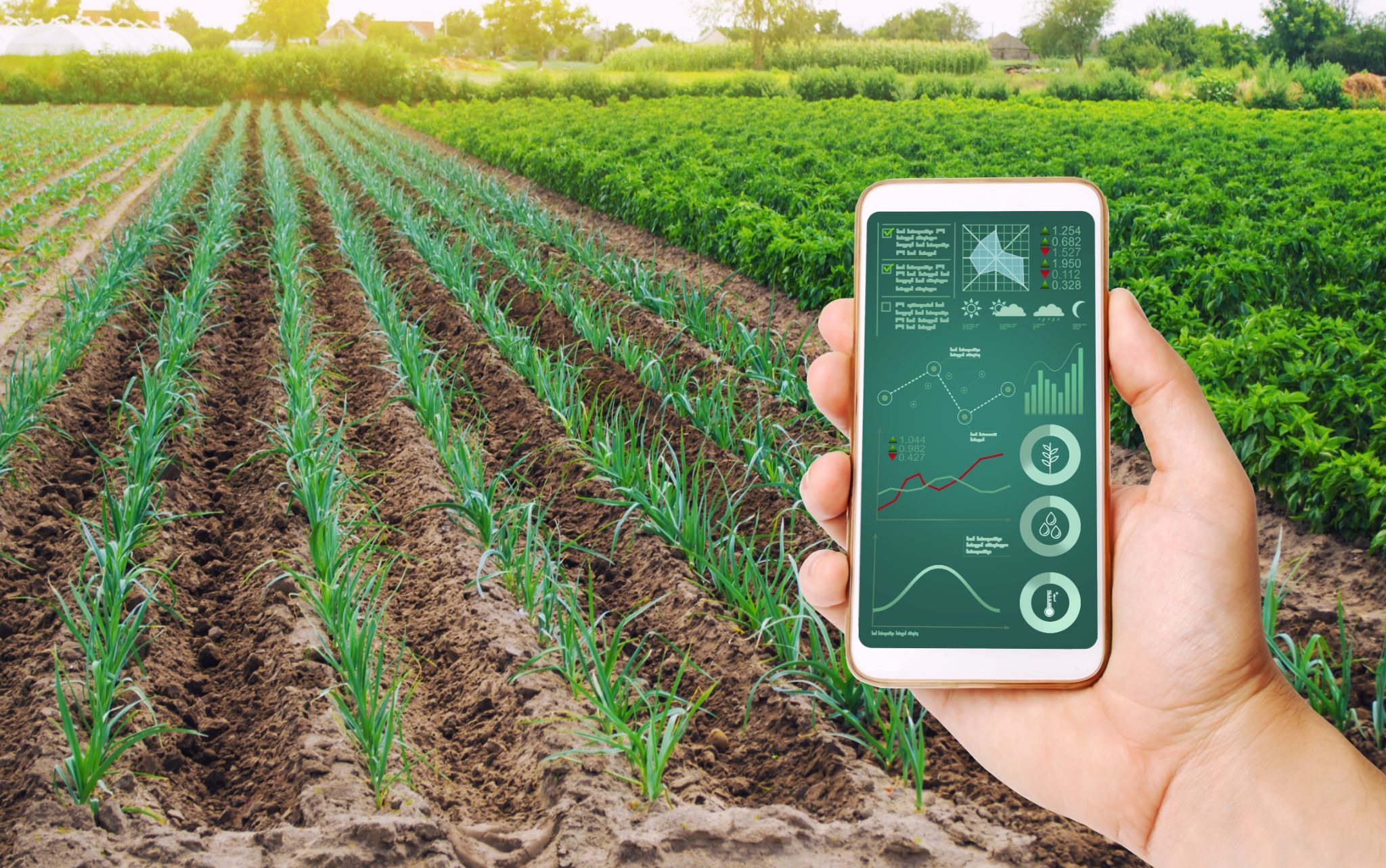
Agriculture has always depended on observation and experience. Farmers watched weather patterns, soil conditions, and crop behavior to make decisions. That approach still matters, but it is no longer enough on its own. Today, data plays a central role in farming. Smart farming brings technology into daily operations, helping farmers act with more precision. This shift is not about replacing traditional methods. It is about improving them with better information and tools.
Understanding the Core of Smart Farming
Smart farming is not just about using machines or software. It is about changing how decisions are made. Instead of relying only on experience, farmers use real-time data to guide their actions. This includes information about soil moisture, crop health, and weather patterns. Smart farming allows farmers to respond quickly to changes in the field. This leads to more accurate decisions and better outcomes over time.
Key Technologies Driving Agricultural Change
Sensors and field monitoring systems
Sensors are one of the most practical tools in modern agriculture. They measure soil moisture, temperature, and nutrient levels. This data helps farmers understand what is happening below the surface. Instead of guessing when to water or fertilize, they can act based on actual conditions. Smart farming becomes more reliable when decisions are supported by accurate data.
Satellite imaging and drones
Seeing crops from above provides a different perspective. Satellite images and drones can show patterns that are not visible from the ground. They help identify areas where crops are stressed or affected by disease. Early detection allows farmers to take action before problems spread. Smart farming benefits from this ability to monitor large areas quickly.
Farm management software
Managing a farm involves many tasks. Software platforms bring all this information together in one place. Farmers can track planting schedules, input usage, and harvest timelines. This makes planning more organized and efficient. Smart farming relies on these systems to turn raw data into useful insights.
Precision Agriculture in Daily Practice
Precision agriculture focuses on applying resources exactly where they are needed. This means using the right amount of water, fertilizer, and pesticides in specific areas. Instead of treating the entire field the same way, farmers adjust their approach based on data. Smart farming makes this possible by providing detailed information about each part of the field. This reduces waste and improves crop performance.
Machinery and Automation on Modern Farms
Autonomous tractors and equipment
Modern machinery can operate with minimal human input. Autonomous tractors follow planned routes and perform tasks with high accuracy. This reduces the need for constant supervision. Smart farming uses automation to improve efficiency and save time.
Robotics in planting and harvesting
Robots are now used for tasks like planting seeds and harvesting crops. These activities require consistency and timing. Machines can perform them with precision. Smart farming benefits from this reliability, especially during busy seasons.
Water Management and Resource Efficiency
Water is one of the most important resources in agriculture. Managing it efficiently is essential. Smart irrigation systems use data from sensors and weather forecasts to decide when and how much to water. This prevents overuse and reduces waste. Smart farming helps farmers protect resources while maintaining crop health.
Data Analytics and Decision Making
Collecting data is only the first step. The real value comes from analyzing it. Data analytics tools help farmers understand trends and patterns. They can predict yields, identify risks, and plan for the future. Smart farming turns information into action, allowing farmers to make better decisions with confidence.
Challenges in the Adoption of Digital Agriculture
Cost and investment barriers
One of the main challenges is the cost of technology. Equipment, sensors, and software require investment. For some farmers, this can be a barrier. Smart farming becomes more accessible when costs decrease or when support programs are available.
Skill gaps and training needs
Using new technology requires learning new skills. Farmers need to understand how to operate systems and interpret data. Training and support are important for successful adoption. Smart farming works best when users are comfortable with the tools.
Connectivity and infrastructure
Reliable internet access is not always available in rural areas. This can limit the use of digital systems. Smart farming depends on connectivity for real-time data and communication. Improving infrastructure is key to expanding its use.
Real World Applications Across Regions
Different regions adopt technology at different speeds. In some countries, advanced systems are already common. In others, adoption is gradual. Smart farming is flexible enough to work in various conditions. Farmers can start with basic tools and expand over time. This makes it adaptable to different environments and budgets.
Environmental Impact and Sustainability
Modern agriculture faces pressure to reduce its environmental impact. Smart farming helps by using resources more efficiently. It reduces chemical use and limits water waste. This supports healthier soil and ecosystems. Sustainable practices become easier to implement with better data and control.
Integrating Traditional Knowledge with Technology
Technology does not replace experience. Farmers still rely on their understanding of the land. Smart farming works best when combined with traditional knowledge. This balance ensures that decisions remain practical and grounded. It also helps avoid over-reliance on automated systems.
Economic Impact on Farmers and Markets
Efficiency leads to cost savings over time. Farmers can reduce waste and improve yields. This increases profitability and competitiveness. Smart farming also connects farmers to larger markets. Better data allows them to meet quality standards and respond to demand more effectively.
Future Direction of Agricultural Technology
Technology will continue to evolve. Artificial intelligence and advanced analytics will play a bigger role. Automation will become more common. Smart farming will keep improving as tools become more accessible. The focus will remain on making agriculture more efficient and sustainable.
Conclusion
The shift toward digital agriculture is already happening. Smart farming offers practical benefits that improve daily operations. It helps farmers make better decisions, use resources wisely, and increase productivity. The key is to adopt technology gradually and use it alongside existing knowledge. This balanced approach leads to long-term success.
FAQs
1. What is smart farming, and how does it work?
Smart farming uses data, sensors, and technology to improve farming decisions. It collects real-time information about soil, crops, and weather. Farmers use this data to manage resources better and increase efficiency while reducing waste.
2. Is smart farming expensive to implement?
Initial costs can be high, depending on the technology used. However, long-term savings often balance the investment. Smart farming reduces waste and improves yields, which can lead to better financial outcomes over time.
3. Can small farms benefit from smart farming?
Yes, small farms can benefit by starting with basic tools like sensors or simple software. Smart farming does not require large-scale systems. Even small efficiency improvements can make a significant difference.
4. What are the risks of relying on technology in farming?
Over-reliance on technology can create challenges if systems fail or data is inaccurate. Farmers still need practical knowledge. Smart farming works best when technology supports decision-making rather than replacing human judgment.
5. How does smart farming improve crop yield?
Smart farming improves yield by providing accurate data for better decisions. It ensures proper use of water, nutrients, and pesticides. This creates healthier growing conditions and reduces losses caused by poor management or delayed actions.